
Silent Poison: How Arctic Toxins Affect Polar Bears Habitat
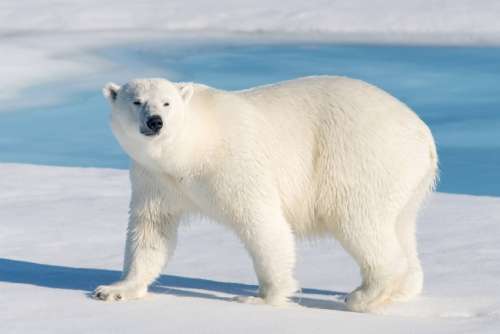
In the beautiful, icy world of the Arctic, there’s a hidden danger for polar bears that’s hard to see. These big, wonderful animals eat seals and other creatures to live, but there’s a problem.
Dangerous chemicals are getting into their food without them knowing. It’s like a sneaky poison that’s bad for the polar bears.
The Invisible Threat to Polar Bears and the Arctic Ecosystem
Think of a polar bear eating its favorite meal, a seal. But what if that meal was mixed with tiny, invisible toxins? This bad stuff includes POPs (chemicals that don’t go away easily), mercury (a very toxic metal), and other harmful things that shouldn’t be there.
These dangerous things travel a long way through the ocean and ice to end up in the Arctic, where they stick around in polar bears’ food. Over time, these chemicals build up in the polar bears, making them sick and causing health problems. For instance, high levels of mercury in the liver and kidney tissues of East Greenland polar bears are linked to chronic inflammation and potentially toxic effects.
How Does Global Pollution Disrupt the Arctic and Polar Bears?
Even though the Arctic seems like a clean, untouched place, harmful substances from all over the world end up here. How does this happen?
Industrial Waste Pollution in the Arctic
This one is the silent traveler. Factories and plants do a lot of work that helps people but also creates waste. This waste has chemicals that don’t just stay put; they move through air and water, making a long journey to the Arctic. Factories and industrial plants around the world are like pollution factories, spewing out heavy. They catch a ride on the wind and ocean currents,
traveling farther than you’d think.
Take mercury, for example. This heavy metal is released from industrial regions in Europe, Asia, and North America. A study by the Arctic Monitoring and Assessment Programme (AMAP) found that mercury levels in Arctic wildlife are much higher than in other places. How does mercury get there? It hitches a ride on the wind, landing on Arctic snow and ice. Eventually, it makes its way into the food web, contaminating fish and marine mammals.
Globally, factories pump out around 2,000 tons of mercury each year. Of this, the Arctic ends up with about 60 tons, due to atmospheric transport.
From the tips of their noses to the ends of their massive paws, every bit of a polar bear’s size and weight plays a crucial role in survival. Whether they’re roaming the ice or swimming in chilly waters, their size is an adaptive feature of polar bears that ensures they remain the kings of the Arctic. So next time you think of these magnificent bears, remember, their size is not just impressive—it’s essential!
Pesticides and Fertilizers Pollution on the Arctic
Then, there are bug killers (pesticides) and plant food (fertilizers). When used on crops, they don’t always stay in the soil. Rain can wash them into rivers and seas, and they travel to the Arctic, where they end up in the water and ice.
For instance, DDT pesticide was banned in many places because it’s super toxic and sticks around forever. But DDT hasn’t vanished. Studies show it’s still turning up in the Arctic. How? It gets caught up in the atmosphere and transported north. Once there, it accumulates in the fatty tissues of animals like seals and polar bears, causing serious health issues. Even though DDT
was banned in the 1970s, it’s still found in Arctic air at small levels. Worse, DDT levels in Arctic seals and polar bears have been rising.
The Impact of Cars, Trucks, and Power Plant Pollution on the Arctic Ecosystem
Also, cars, trucks, and power plants burn oil and gas for energy, letting smoke into the air. This smoke, full of pollutants, can travel thousands of miles and eventually drop into the Arctic. Black carbon is like soot. A study by the Norwegian Institute for Air Research found that black carbon from places like Europe, North America, and Asia drifts to the Arctic. Once there, it darkens the snow and ice, making it melt faster. This is like throwing a black blanket over ice, causing it to absorb more heat and melt quickly.
Pollution gets to the Arctic via the atmosphere and ocean currents, much like cars and trucks using highways to get from one place to another. Pollutants get lifted into the air and carried by the wind across continents and oceans, especially during the stable Arctic winter. The ocean’s currents, like the North Atlantic Drift and Bering Strait currents, act like conveyor belts, moving pollutants from faraway places right into the Arctic. It’s like a global highway for pollution.
A big study by the International Arctic Science Committee (IASC) found various persistent organic pollutants in Arctic ice and water. These pollutants, originating from industrial and agricultural sources, travel through air and water to the Arctic, where they settle and accumulate.
Why Does This Matter for Polar Bears?
These toxins build up in the ice and water, becoming part of the food chain. When polar bears eat seals or fish exposed to these pollutants, they consume the harmful chemicals, too. This can make them sick, affect their ability to have cubs, and even change the natural way of life in the Arctic. Thus, the pollution journey to the Arctic shows how connected our planet is. What happens in one place can affect life in another faraway place, like the Arctic, impacting polar bears and the whole ecosystem.
In addition, the danger from pollution is even bigger for mommy polar bears and their little ones. The bad chemicals build up in the mommy’s fat and then get passed on to the cubs through their milk. This means baby polar bears start life already filled with these harmful substances, like a newborn baby facing health challenges from day one.
What are the Consequences of Arctic Pollution on Polar Bears' Life?
Toxic pollution affects polar bears in many hidden ways that can hurt their health and ability to have families. Chronic exposure to harmful chemicals silently attacks polar bears’ internal organs. The liver, kidneys, and brains can all suffer damage, undermining the bears’ overall health and survival. And it’s not just about one or two polar bears; the entire Arctic world feels the impact.
When polar bears, who are top hunters, get sick from pollution, it messes up the natural order of things. It’s like knocking over the first domino in a long line—everything else starts to wobble and fall. This can change the whole system of who eats whom in the Arctic, affecting all animals and plants.
Polar Bear Disrupted Hormones Due to Arctic Pollution
Imagine your body not working right because something messed up its chemical messages. That’s what happens to polar bears, making it hard for them to grow and stay healthy. A long- term study on polar bears in the Svalbard region revealed high concentrations of PCBs and other pollutants in their fat tissue. The research highlighted correlations between pollutant levels and decreased levels of thyroid hormones, immune suppression, and reproductive failures.
Polar Bear Weak Immune System
Think about getting sick easily because your body can’t fight germs well. Polar bears face this problem, making them more likely to get sick because the pollution weakens their immune systems. Researchers in Hudson Bay found that polar bears showed signs of organ damage and hormone disruption linked to pollutant exposure. The study revealed decreased cub survival rates and physical health issues such as liver abnormalities and weakened immune responses.
Polar Bear Impair Reproduction
Pollutants lead to failed pregnancies and smaller litters for polar bears. This serious issue reduces the number of cubs born, affecting the survival of populations. In the Beaufort Sea, polar bears were studied for the impact of mercury and other heavy metals. Results indicated significant bioaccumulation of these toxicants, leading to neurological issues and compromised liver function. The findings underscored the severe impact of pollution on the health and survival of polar bears.

How Does Arctic Pollution Harm Polar Bear Mothers and Cubs?
The danger from pollution is even bigger for mommy polar bears and their little ones. The bad chemicals build up in the mommy’s fat and then get passed on to the cubs through their milk. This means baby polar bears start life already filled with these harmful substances, like a newborn baby facing health challenges from day one.
How Does Global Pollution Disrupt the Arctic and Polar Bears?
Even though the Arctic seems like a clean, untouched place, harmful substances from all over the world end up here; first, there’s industrial waste. Factories and plants do a lot of work that helps people but also creates waste. This waste has chemicals that don’t just stay put; they move through air and water, making a long journey to the Arctic.
Then, there are bug killers (pesticides) and plant food (fertilizers). When used on crops, they don’t always stay in the soil. Rain can wash them into rivers and seas, and they travel to the Arctic, where they end up in the water and ice. Also, cars, trucks, and power plants burn oil and gas for energy, letting smoke into the air. This smoke, full of pollutants, can travel thousands of miles and eventually drop into the Arctic.
So, why does this matter for polar bears? These toxins build up in the ice and water, becoming part of the food chain. When polar bears eat seals or fish exposed to these pollutants, they consume the harmful chemicals, too. This can make them sick, affect their ability to have cubs, and even change the natural way of life in the Arctic.
Thus, the pollution journey to the Arctic shows how connected our planet is. What happens in one place can affect life in another faraway place, like the Arctic, impacting polar bears and the whole ecosystem.
How Can We Break the Arctic Pollution?
The future of polar bears and the health of the Arctic ecosystem hinge on our actions. We need
Stricter Regulations
We need more rigid rules worldwide to prevent harmful chemicals from being made and spread. It’s like setting ground rules in a game to ensure everyone plays fair, especially when keeping our environment clean.
Sustainable Practice
We have to change how we farm and make things, choosing cleaner, greener ways that don’t add more poison to our planet. It’s like cleaning up our mess before it gets out of hand, ensuring we leave a healthy planet for future generations.
Clean-up Efforts
Cleaning up places already hurt by pollution is a big challenge, but we must tackle it. Think of it as healing wounds, making the environment healthy again for animals like polar bears.
Research and Innovation
We can find how to clean up the mess and free our air, water, and ice from toxins.
Help protect polar bears by shopping with us.
We give 10% to the World Wildlife Fund for every item you buy to support polar bear conservation. This helps fight pollution in the Arctic and keeps polar bears safe. Check out our products and help polar bears. Visit our shop here.
Want to learn more?
Polar Bear Gifts