
A Day in the Life of a Polar Bear in the Arctic
Ever wondered what a day in the life of a polar bear looks like? Grab a seat and read more to find out. Trust me, it’s cooler than a polar bear’s toenails! Imagine waking up in a world of blinding white, where temperatures dip below -40 °C and biting winds whip across the frozen expanse. This is the daily reality for polar bears.
Polar Bears and Their Built-In Clocks
Polar bears, majestic white giants of the Arctic, live in a world where the sun plays hide-and- seek. During summer, it’s all sunshine, 24/7, while winter brings endless nights. But despite these extreme light cycles, polar bears have a built-in clock called circadian rhythms to keep their daily activities on track. It’s like having an internal alarm clock that doesn’t need batteries!
Have you heard about circadian rhythms before? These are the body’s natural way of keeping time. Think of them as your body’s schedule, telling you when to wake up, eat, and sleep. This clock is crucial for polar bears because it helps them stay in sync with their environment and find food, especially when there’s no sunrise or sunset to guide them.
Researchers have discovered some pretty amazing things about how polar bears keep their schedules. One study in the Beaufort Sea used GPS collars and activity sensors to track polar bears over several years. They found out that these bears are busiest around midday, even when the sun never sets or rises.
How do Polar Bears Start Their Day in the Arctic?
Polar bears wake up ready for action as the sun peeks over the horizon! Their first task? Hunting for seals! With sharp noses, they sniff out seals swimming below the icy surface. Then, it’s all about stealth and speed as they sneak up on their prey, giving them a surprise wake-up call! They often use a technique called still-hunting, where they lie in wait near breathing holes or seal lairs, remaining motionless until a seal surfaces.
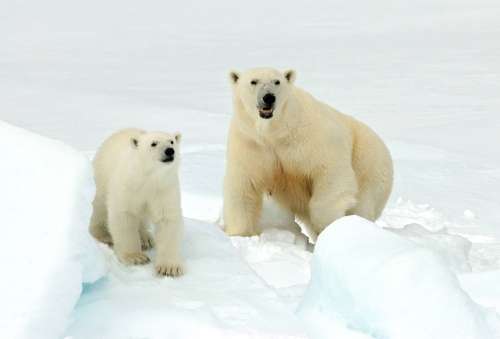
When a polar bear senses a seal nearby, it employs a combination of stealth and speed. Moving slowly and quietly across the ice, the bear uses its white fur as camouflage against the snowy backdrop. At the right moment, it pounces with incredible speed and force, breaking through the ice if necessary to capture the unsuspecting seal. This method requires patience, precision, and a great deal of energy.
After a successful hunt, the polar bear feeds on the seal, prioritizing the high-fat blubber, which provides essential energy and insulation. An adult polar bear can consume up to 100 pounds of
blubber in one sitting. This meal not only replenishes their energy but also sustains them during periods when hunting may be less successful.
After having their breakfast, it’s time for some fun on the ice—sliding, rolling, and playing like big, fluffy snowballs! Such play is crucial for young bears to develop hunting skills and for adults to maintain their physical fitness and social bonds. These playful interactions also help in honing their agility and strength.
Polar Bear Midday Chill: Sunbathing and Snoozing
After a busy morning, it’s time to take a break. Polar bears love to soak up the sunshine, lounging on the ice like furry sunbathers. They may dig shallow pits in the snow to shield themselves from the wind and conserve body heat. This downtime helps them conserve energy for their next adventure. Some bears might even take a quick nap.
In the land of Svalbard, Norway, scientists tracked 15 polar bears using advanced gadgets. They found that polar bears are most active around midday whether it’s summer’s endless daylight or winter’s eternal night. During summer, these bears are active at midday and during activity, which is more spread out, probably because they need to save energy when food is scarce.
Afternoon Adventures: The Hunt Continues
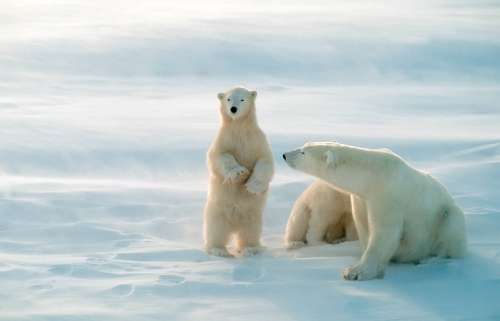
Polar bears get busy with hunting as the sun starts to set. They quietly move along the ice’s edge, using their white fur to blend in and stay hidden. Sometimes, you’ll see them playing around, especially the young ones, practicing their hunting moves through playful wrestling matches.
These games aren’t just for fun—they help them become strong adults.
Polar Bear Night Hunting Under the Aurora Borealis
Polar bears are known to exhibit nocturnal hunting activities. They often engage in increased activity during the evening and night, including hunting for seals and other prey. This behavior aligns with the peak visibility of the Aurora Borealis, suggesting that polar bears are likely active and hunting under the Northern Lights.
Therefore, when night falls and the sky lights up with the Northern Lights, polar bears don’t just go to sleep. They’re out hunting, using the darkness to sneak up on seals. Their dark fur blending in, they move quietly across the ice like ghosts.
While the fire cozies you up, polar bears are hustling, using the cloak of night to their advantage. They’re experts at playing the waiting game, often lurking by holes in the ice for seals to surface. And they don’t stop there—they might swim around, scouting for other tasty treats like walruses or beluga whales.
So, the next time you marvel at the Northern Lights, remember that beneath that stunning sky, polar bears are hard at work, turning the Arctic night into their hunting playground.
Polar Bear Routine Changes with the Seasons
In the summer, when the ice melts, hunting gets harder. Polar bears might spend more time resting or looking for food on land. Polar bears are early risers, most active in the mornings. But as the day goes on, their energy starts to fade. During the spring and summer months, female polar bears and their cubs spend about 19% of their day hunting, while males hunt for around a quarter of their day.
Understanding polar bear routines and daily rhythms is super important. As climate change messes with the Arctic, knowing how polar bears adapt can help scientists create better conservation plans. Warmer temperatures and melting ice mean polar bears need to change their routines, and knowing their circadian rhythms gives us a peek into how they might cope.
As the weather warms, polar bears might spend more time soaking up the sun in snow pits or finding shelter during colder, cloudier days. When they’re not hunting or resting, polar bears usually catch some Zs. They need a lot of sleep to keep their energy up for hunting and surviving in the chilly Arctic.
Support Polar Bear Conservation
Join us in supporting polar bear conservation! For every purchase you make on our product page, we’ll donate 10% to the World Wildlife Fund, helping to protect these magnificent creatures and their Arctic habitat. Check out our products now and make a difference in the lives of polar bears today!
Want to learn more?
Polar Bear Gifts